
Why Sustainable Practices Matter for Florida's Life Insurance Industry


Understanding Sustainability in the Insurance Sector
As the world becomes increasingly aware of environmental issues, industries are re-evaluating their practices to ensure they contribute positively to the planet. The life insurance industry in Florida is no exception. Embracing sustainable practices is not just about being environmentally friendly; it's about ensuring long-term viability and resilience in a changing world.
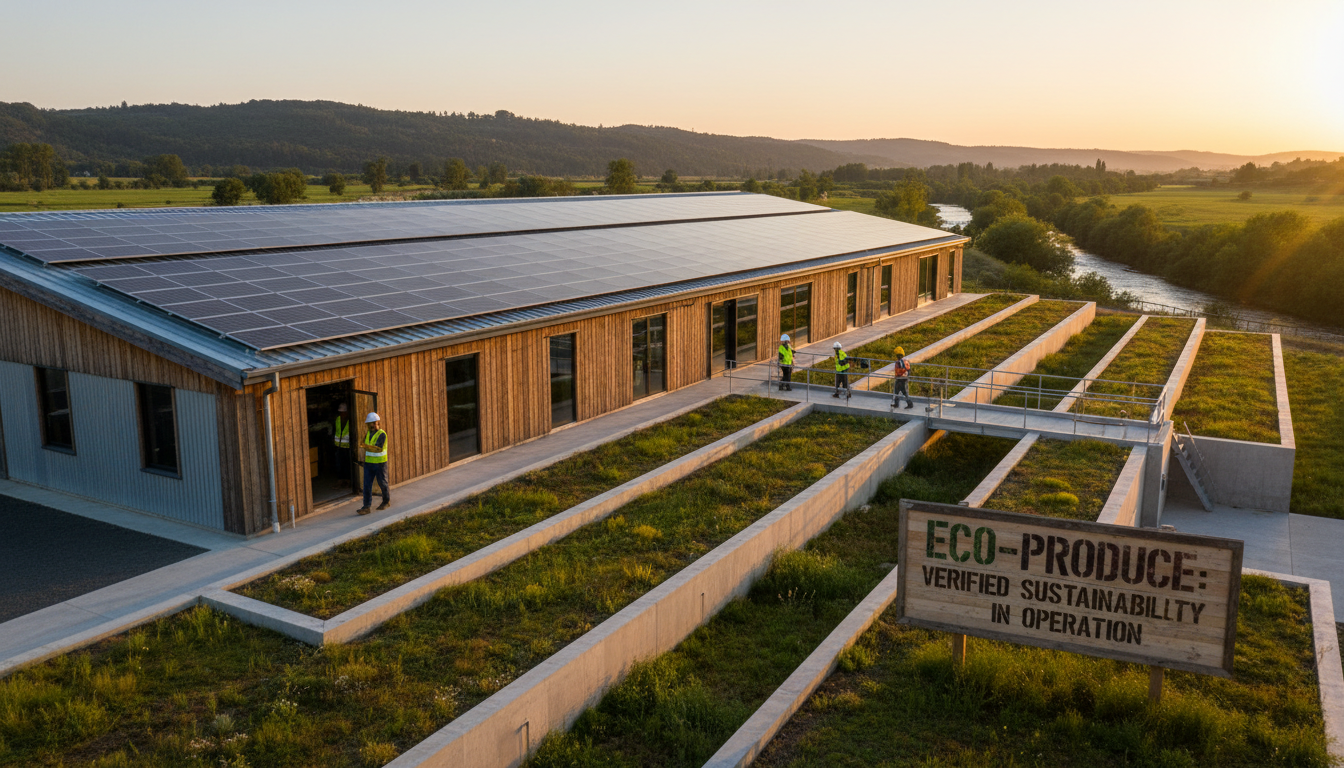
Sustainability in the insurance sector involves integrating environmental, social, and governance (ESG) factors into business operations. This means assessing risks not only from a financial standpoint but also considering environmental impacts and social responsibilities. For Florida, with its unique climate and environmental challenges, these practices are crucial.
The Impact of Climate Change on Insurance
Florida's life insurance industry faces unique challenges due to its susceptibility to climate-related events like hurricanes and rising sea levels. These events pose significant risks to property and lives, affecting the insurance sector's financial stability. By adopting sustainable practices, insurers can better manage these risks and provide more reliable coverage for policyholders.
Climate change increases the frequency and severity of natural disasters, leading to higher claims and operational costs. Insurance companies that integrate climate risk assessments into their strategies can better predict potential losses and adjust their offerings accordingly. This proactive approach not only safeguards the company's bottom line but also ensures customer satisfaction and trust.

Social Responsibility and Customer Expectations
Today's consumers are more conscious of a company's values and impact on society. They expect businesses, including life insurance providers, to demonstrate social responsibility. By adopting sustainable practices, insurance companies can meet these expectations and enhance their brand reputation.
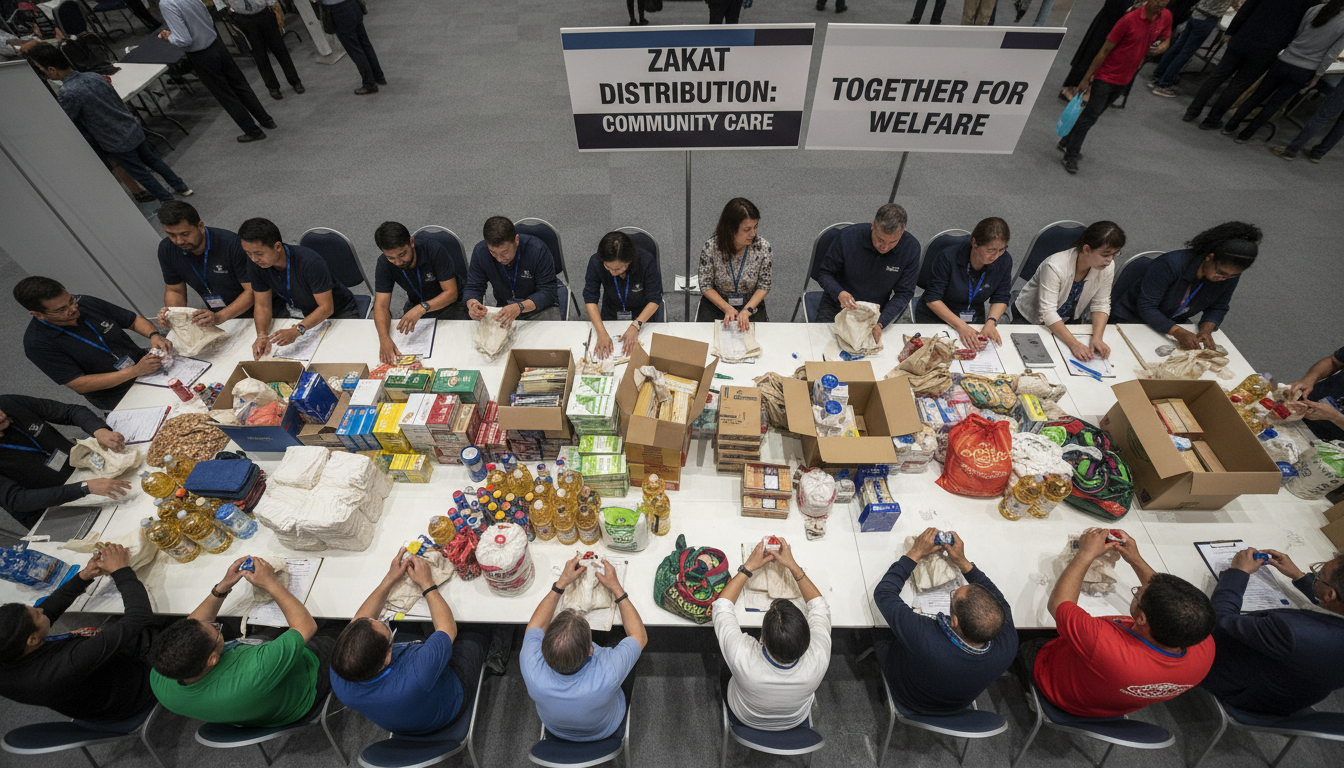
Implementing eco-friendly office policies, reducing paper usage, and investing in community initiatives are just a few ways insurers can show their commitment to sustainability. These actions resonate with customers who prioritize ethical and responsible business practices, leading to increased customer loyalty.
Economic Benefits of Sustainability
Sustainable practices can lead to significant economic benefits for insurance companies. By optimizing resource use and reducing waste, companies can lower operational costs. Moreover, sustainability can open new market opportunities and attract investors who are increasingly favoring companies with strong ESG commitments.
For Florida's life insurance industry, this means not only improving profitability but also contributing to a healthier local economy. As insurers adopt sustainable practices, they can also influence their clients and partners to follow suit, creating a ripple effect that amplifies positive change.
Future-Proofing Through Innovation
Innovation is a key driver of sustainability. By leveraging technology, insurers can develop new products and services that address the evolving needs of their clients while minimizing environmental impact. For example, digital platforms can streamline processes, reduce paper waste, and enhance customer interaction.
Florida's life insurance industry can lead the way by investing in innovative solutions that promote sustainability. This proactive stance not only prepares the industry for future challenges but also positions it as a leader in the global market.

Conclusion: A Call to Action
Adopting sustainable practices is not just an ethical choice for Florida's life insurance industry; it's a strategic imperative. As climate challenges intensify and consumer expectations evolve, insurers must adapt to thrive. By embracing sustainability, the industry can protect its future, benefit the community, and contribute to a healthier planet.
Ultimately, the shift towards sustainability is a win-win for the industry and its stakeholders. It's time for the life insurance sector in Florida to take bold steps toward a sustainable future.